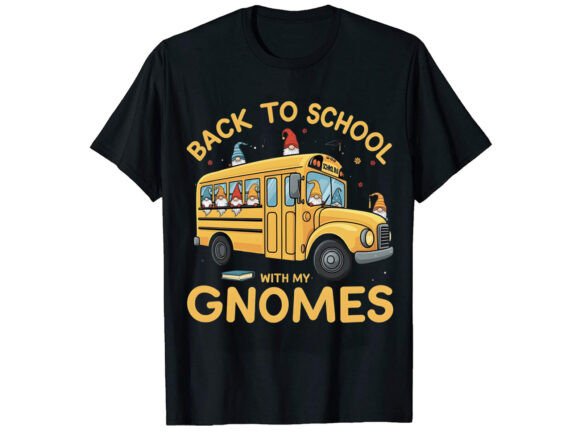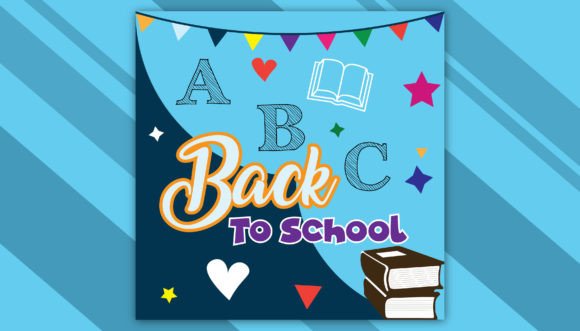
Back to School Post Design: A Creative and Practical Guide for Educators and Students
As the days grow shorter and the air turns crisp, the familiar rhythm of the academic year begins anew. For educators, students, and parents alike, the transition back to school is more than just a calendar event—it's a fresh start filled with possibilities. In this context, the Back to School Post Design emerges as a powerful tool that blends creativity, functionality, and practicality. Whether you're designing promotional materials, social media content, or printables for your school community, the right design can make all the difference.
The Role of Visual Design in the Back to School Season
Visual design plays a crucial role in setting the tone for the academic year. From colorful posters to digital banners, the Back to School Post Design serves as a visual anchor that communicates excitement, organization, and readiness. These designs are not just aesthetic—they are strategic tools that help schools and educators engage their audiences effectively.
One of the key advantages of a well-designed Back to School Post Design is its ability to convey information quickly and clearly. Whether it's announcing new programs, sharing important dates, or promoting school events, the right design ensures that your message is both seen and understood. This is especially important during the busy back-to-school season when attention spans are short and information overload is common.
Key Elements of an Effective Back to School Post Design
A successful Back to School Post Design incorporates several essential elements that work together to create a cohesive and impactful message. These include:
- Color scheme: Bright, cheerful colors like orange, yellow, and blue are often used to evoke a sense of energy and positivity.
- Typography: Clear, readable fonts are essential for ensuring that text is easy to read at a glance.
- Imagery: Relevant images, such as students, backpacks, and books, help to reinforce the theme and connect with the audience emotionally.
- Layout: A clean, organized layout ensures that information is presented in a logical and easy-to-follow manner.
- Call to action: Including a clear call to action, such as "Join us" or "Get ready," encourages engagement and interaction.
By focusing on these elements, designers can create a Back to School Post Design that is both visually appealing and functionally effective. The result is a design that not only looks great but also serves its intended purpose.
Choosing the Right Tools for Your Back to School Post Design
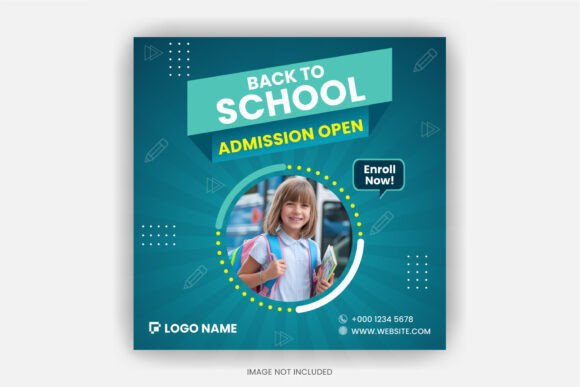
Creating a Back to School Post Design requires the right tools and resources. Fortunately, there are numerous options available that cater to different skill levels and design needs. One popular choice is the Welcome Back to School Social Template, which provides a ready-to-use framework for creating engaging social media posts.
This template includes pre-designed elements such as headers, body text, and call-to-action buttons, making it easy to customize and adapt to your specific needs. Additionally, many templates come with editable fonts and color options, allowing you to personalize your design without requiring advanced design skills.
For those who prefer a more hands-on approach, graphic design software like Adobe Photoshop, Illustrator, or Canva offers greater flexibility and control over every detail of your design. These tools allow you to experiment with different layouts, fonts, and colors until you achieve the perfect balance between aesthetics and functionality.
Why EPS Format is Ideal for Back to School Post Designs
When it comes to file formats, the EPS (Encapsulated PostScript) format stands out as an excellent choice for Back to School Post Design. EPS files are vector-based, meaning they can be scaled to any size without losing quality. This makes them ideal for use in both print and digital formats, whether you're creating posters, banners, or social media graphics.
Another advantage of using EPS files is their compatibility with a wide range of design software. Whether you're working with Adobe Illustrator, InDesign, or even free tools like Scribus, EPS files can be easily imported and modified. This flexibility is especially valuable when working with teams or collaborating with other designers who may have different software preferences.
Additionally, EPS files support transparency and layered elements, which allows for greater creative freedom. You can add effects, gradients, and textures without worrying about image degradation, ensuring that your final design looks professional and polished.
Practical Applications of Back to School Post Designs
The versatility of Back to School Post Designs means they can be applied in a variety of contexts, from educational institutions to businesses and personal projects. Here are some common use cases:
- School announcements: Use a Back to School Post Design to share important updates, such as class schedules, extracurricular activities, and parent-teacher meetings.
- Social media campaigns: Create eye-catching posts for platforms like Instagram, Facebook, and Twitter to promote your school's events and initiatives.
- Printable materials: Design posters, flyers, and handouts that can be printed and distributed to students, parents, and staff.
- Marketing collateral: Use the design as part of a larger marketing strategy to promote your school's brand and values.
- Personalized gifts: Customize the design for use in greeting cards, calendars, or other personalized items that can be given to students and teachers.
Each of these applications highlights the practical value of a well-designed Back to School Post Design. By tailoring the design to fit your specific needs, you can ensure that it serves its intended purpose while also making a positive impact on your audience.
Considerations for Creating a Successful Back to School Post Design
While the creative process of designing a Back to School Post Design can be rewarding, it's important to consider several factors that can influence the success of your final product. These include:
- Target audience: Understanding who your design is intended for will help you choose the right elements, tone, and messaging.
- Platform requirements: Different platforms have different specifications, so it's important to ensure your design is optimized for its intended use.
- Brand consistency: If you're representing a school or organization, maintaining brand consistency through color schemes, fonts, and imagery is essential.
- Accessibility: Ensuring that your design is accessible to all users, including those with visual impairments, is a key consideration.
- Feedback and iteration: Gathering feedback from others and being open to making adjustments can help improve the overall effectiveness of your design.
By keeping these considerations in mind, you can create a Back to School Post Design that not only meets your goals but also resonates with your audience in a meaningful way.
Conclusion
In conclusion, the Back to School Post Design is more than just a visual element—it's a strategic tool that can enhance communication, engagement, and brand identity. Whether you're an educator, student, or business owner, investing time and effort into creating a well-designed post can yield significant benefits throughout the academic year.
With the right tools, techniques, and considerations, anyone can create a Back to School Post Design that is both functional and visually appealing. By focusing on clarity, creativity, and practicality, you can ensure that your design not only captures attention but also delivers value to your audience.